
God established regular periods of rest for both land and people: every seventh year, fields lay fallow for the benefit of the poor and animals. For people seventh day is set aside for rest. Loyalty to God is emphasized, excluding other deities. These practices instill rest, reverence, and remembrance into daily life, highlighting that rest is an act of obedience and trust, not simply a reward for productivity. Rest also creates opportunities for compassion and community. By remembering to rest, we reconnect with God and affirm His sovereignty over our lives, time, and work.
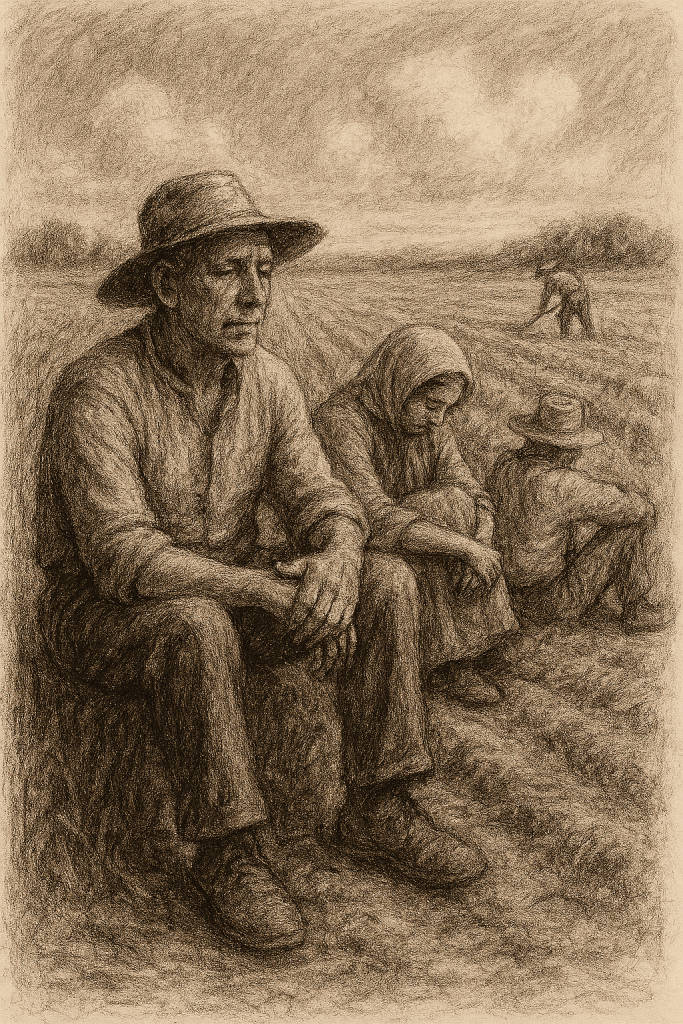
It reads in Exodus 23:10–13 Easy: You must plant seed in your fields for six years. Then you can bring your crops home at harvest time. But in the seventh year, you must let your fields lie empty. Do not dig them and do not plant anything in them. Then poor people among you can eat the food that they find in your fields. After that, the wild animals can eat any food that still remains. Do the same thing with your vineyards and your fields of olive trees. Do your work for six days each week, but do not work on the seventh day. Then your oxen and your donkeys will have time to rest. Any slave who was born in your home and any foreigner who works for you may also have time to rest. That will help them to be strong. Be careful to obey everything that I have told you. Do not pray to other gods for help. Do not even speak about them.
Father God, teach me the holy rhythm of rest. Help me release what I’m gripping too tightly and trust You with the fields of my life. Quiet my heart so I can hear Your voice above the noise. Let my rest become a blessing to others and a reminder that You are the One who sustains me. Love You, thank You, praise You and give You all the honor and glory in Jesus Precious Name Amen.
 Care To Plant