
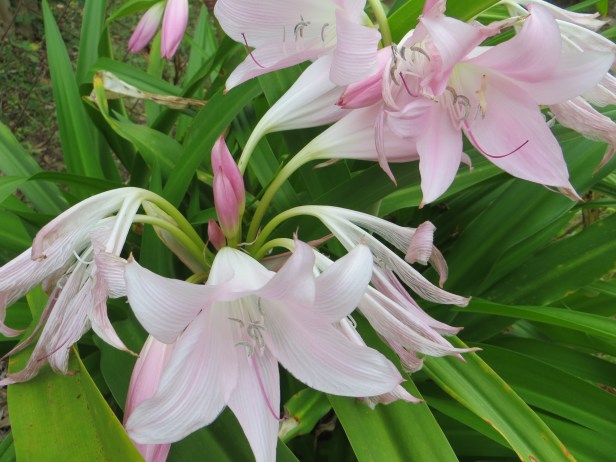
Because of the remarkably beautiful flowers they produce, bulbs have become tremendously popular.
They’re versatile in the wide range of color, form and size of their flowers; they grow indoors as well as out;
and in addition they’re relatively easy to grow.
Size alone does not constitute the value or quality of a bulb, but firmness, weight and condition do. If a true bulb (daffodil, lily or tulip), the layers or scales should be firmly joined, so that there is little or no feeling of looseness or squishiness when it is compressed in your hand. If a rhizome, corm or tuber (such as calla, crocus or dahlia), the flesh should be plump and fairly hard.
Good bulbs also present a distinct effect of being fairly heavy. It is not unusual to find bulbs of the same size and variety varying considerably in weight; those of inferior quality will tend toward lightness.
The condition of the skin or coating (as in hyacinths, tulips and others) should be smooth, bright and free of deep cuts and bruises, in particular, the disk at the base. Should this show signs of extreme injury or disease, the bulb will more than likely rot after planting.
It is best to plant bulbs soon after purchasing; however, if this is impossible, keep the bags containing them in a cool, well ventilated place where the air is not dried out by artificial heat. Remember, any condition causing the bulbs to shrivel will injure them.
In storing, also keep in mind that squirrels, rats, and mice regard all bulbs, with the exception of daffodils, as delectable dishes.

